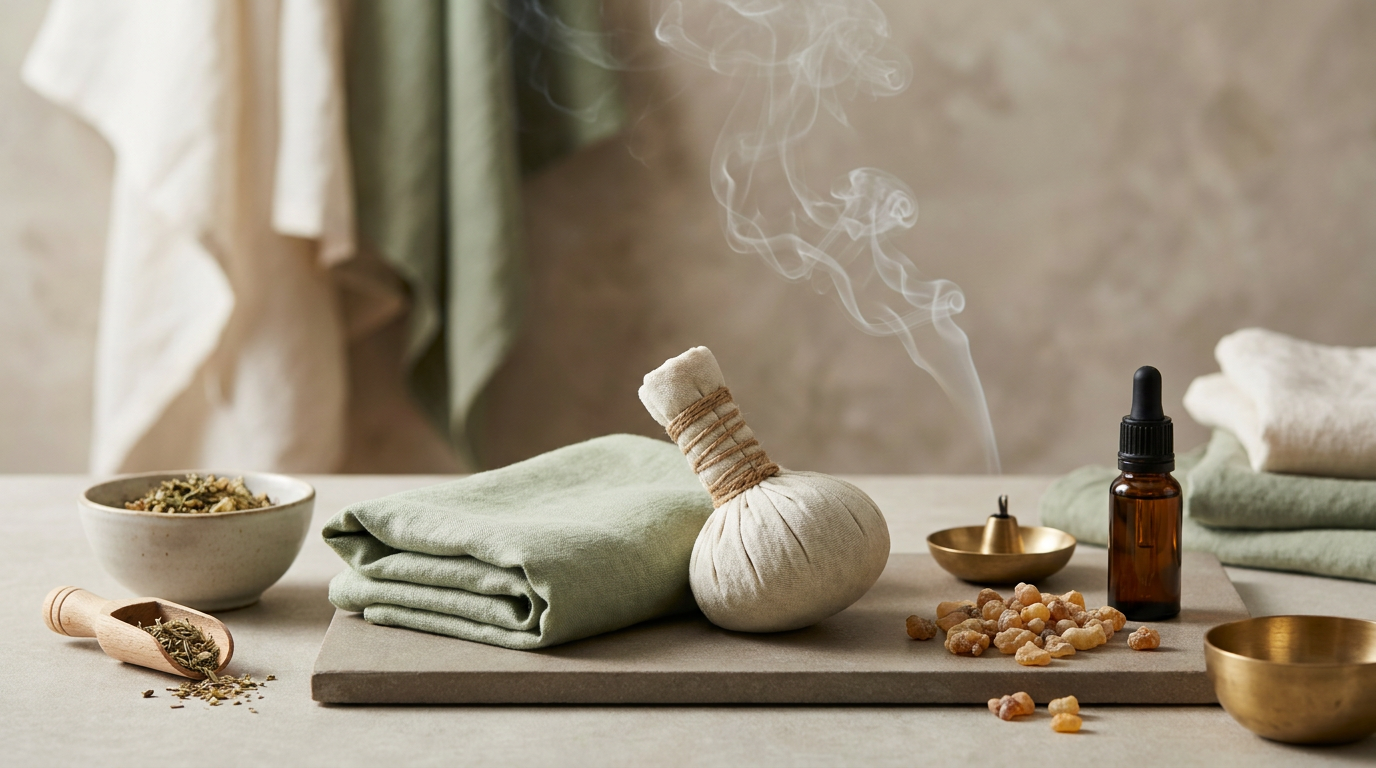
Frankincense and Fibromyalgia: What Ancient Resin Reveals About Modern Wellness
Frankincense has been traded across continents for more than five thousand years. Caravans carried it through the Arabian Peninsula. Pharaohs burned it in temple rituals. Roman physicians wrote about it in careful detail. Today, a growing number of people researching natural wellness approaches are searching for information about frankincense fibromyalgia connections, wondering what this ancient resin might offer alongside conventional care.
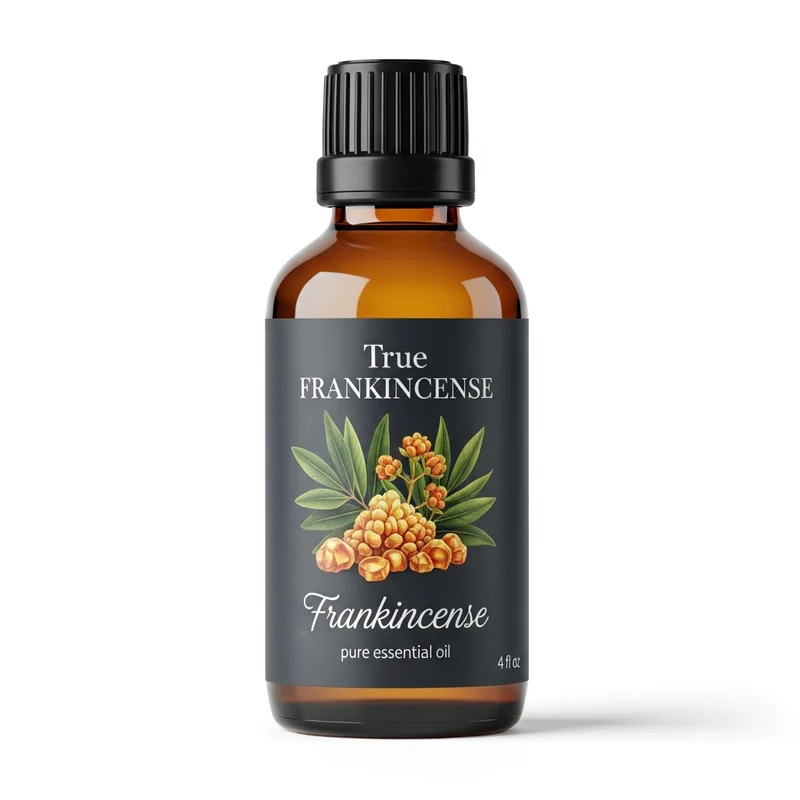
Frankincense Essential Oil
Six single-origin frankincense varieties, steam-distilled and GC/MS verified.
From $12.99
Shop Frankincense Oil →This article takes a close look at what frankincense is, what compounds it contains, what some preliminary research observes about those compounds, and how people are incorporating frankincense essential oil into daily comfort routines. Nothing here constitutes medical advice, and frankincense should never replace a care plan developed with your physician.
Understanding Frankincense: The Resin and the Oil
Frankincense comes from trees in the Boswellia genus, primarily harvested in Oman, Somalia, Ethiopia, and India. Harvesters make careful incisions in the bark, allowing a milky sap to bleed out and harden into teardrop-shaped nodules called tears. These tears are the raw resin.
Two distinct products come from these tears. The first is frankincense resin and extract, which contains the full spectrum of boswellic acids. The second is frankincense essential oil, produced through steam distillation of the resin or sometimes the bark. Essential oil distillation is remarkable for many reasons, but one important nuance deserves attention: boswellic acids are large, heavy molecules. They do not survive the distillation process in meaningful quantities. The essential oil is rich in aromatic monoterpenes and sesquiterpenes, particularly alpha-pinene, limonene, and incensole acetate, but it is largely free of boswellic acids.
Why does this distinction matter? Because much of the published research on Boswellia compounds focuses on resin extracts, not the distilled essential oil. Understanding which form is being discussed helps you read research with greater precision.
Boswellic Acids: What the Research Observes
Several studies, primarily conducted in laboratory and animal settings, have examined boswellic acids for their biological activity. One compound that appears frequently in this research is AKBA (acetyl-11-keto-beta-boswellic acid). Some researchers have observed that AKBA interacts with certain cellular pathways in laboratory models, and published findings suggest it may be of interest for further study in the context of physical discomfort and the body's normal response processes.
A 2011 study published in Phytotherapy Research observed that a standardized Boswellia serrata extract appeared to support comfortable joint function in participants over a study period. The researchers noted improvements in self-reported comfort levels. Importantly, this was a small, short-duration study, and the authors themselves called for larger trials before drawing firm conclusions.
A review published in the journal Molecules in 2019 summarized available evidence on boswellic acids and noted that while early findings are intriguing, robust human clinical data remains limited. The authors emphasized that current evidence should be considered preliminary.
Some research suggests that incensole acetate, a compound present in frankincense resin and to a smaller degree in some essential oils, may interact with neurological pathways related to mood and calm. A 2008 study published in The FASEB Journal observed effects on mouse models exposed to incensole acetate, noting what researchers described as psychoactive properties at the cellular level. Human studies on this specific compound remain sparse.
The takeaway: research on frankincense compounds is active and genuinely interesting, but it is early. None of the current evidence supports claims that frankincense identifies, prevents, or manages any specific condition.
Frankincense Essential Oil in Daily Comfort Routines
Even setting aside the resin extract research, frankincense essential oil has a rich tradition of use for grounding, calm, and intentional ritual. People who live with widespread physical discomfort often describe disrupted sleep, difficulty unwinding, and a desire for routines that support a sense of ease. This is where essential oil use tends to find its place.
Aromatic Use
Diffusing frankincense essential oil is one of the most common approaches. The warm, resinous, slightly citrus scent is grounding and distinct. Many people report that diffusing frankincense in the evening supports a quieter atmosphere and a more deliberate wind-down routine before sleep.
A standard approach is to add 4 to 6 drops of frankincense essential oil to a cold-air diffuser and run it for 30 to 60 minutes in the room where you plan to rest. Avoid running a diffuser continuously in unventilated spaces, particularly if children, pets, or people with respiratory sensitivities are present.
Topical Use
Some people incorporate diluted frankincense essential oil into massage routines, applying it to areas of tension as part of a mindful self-care practice. Topical application requires careful attention to dilution. Essential oils are highly concentrated and should never be applied undiluted to the skin.
A safe general dilution for adults is 2 percent, which equals approximately 12 drops of essential oil per one ounce (30 ml) of carrier oil. Suitable carriers include jojoba, fractionated coconut oil, and sweet almond oil. For those with sensitive skin, a 1 percent dilution (6 drops per ounce) is more appropriate as a starting point.
Always perform a patch test before applying any new essential oil blend to a larger area. Apply a small amount of the diluted blend to the inner forearm, cover loosely, and wait 24 hours to observe any response.
Safety note: Frankincense essential oil is not recommended during pregnancy without guidance from a qualified healthcare provider. Keep all essential oils away from children and pets. If you are taking any medications or have an existing health condition, speak with your physician before incorporating essential oils into your routine.
Choosing a High-Quality Frankincense Oil
The frankincense market is crowded, and quality varies considerably. Here is what to look for when selecting an oil for your wellness routine.
- Species transparency: The label should identify the Boswellia species. Common options include Boswellia sacra (Omani), Boswellia carterii (Somali/East African), Boswellia serrata (Indian), and Boswellia frereana (Kenyan). Each has a slightly different aromatic profile and compound makeup.
- Country of origin: Reputable suppliers disclose where the resin was harvested, not just where the oil was distilled.
- GC/MS testing: Gas chromatography/mass spectrometry analysis confirms the chemical composition of the oil and screens for adulterants. Ask your supplier for a batch-specific report.
- Packaging: Quality frankincense oil should come in dark amber or cobalt glass bottles to protect against light degradation. Plastic bottles are a red flag for premium oils.
- Price point: Genuine Boswellia sacra from Oman is relatively expensive to produce. Unusually low prices often signal diluted or adulterated product.
For a fuller guide on navigating the world of resin sourcing and quality markers, see our article on how to choose a high-quality frankincense essential oil. If you are curious about comparing species side by side, our frankincense species comparison guide breaks down the aromatic and compositional differences in accessible detail.
Blending Frankincense for a Comfort-Focused Routine
Frankincense blends exceptionally well with a range of other essential oils. For a calming evening diffuser blend, consider pairing it with lavender and cedarwood. The resinous depth of frankincense grounds the floral brightness of lavender, while cedarwood adds a woody, settling quality that many people find conducive to a restful atmosphere.
For a warming topical blend to use during a self-massage routine, frankincense pairs well with copaiba and black pepper essential oil in a carrier of your choice. Some people also find the addition of a small proportion of marjoram essential oil pleasant in a muscle-focused massage blend.
| Blend Name | Oils | Drops Each | Atmosphere |
|---|---|---|---|
| Evening Stillness | Frankincense, Lavender, Cedarwood | 2 / 2 / 2 | Quiet, settling, restful |
| Grounded Focus | Frankincense, Vetiver, Bergamot | 3 / 1 / 2 | Centered, warm, clarifying |
| Resin and Wood | Frankincense, Sandalwood, Black Spruce | 2 / 2 / 2 | Deep, earthy, meditative |
Our full guide on blending frankincense essential oil explores carrier pairings, blend ratios, and aromatic families in greater depth.
Supplementing with Boswellia: A Separate Conversation
Given that most of the research on boswellic acids involves standardized resin extracts rather than essential oil, some people ask about oral Boswellia serrata supplements. These are a distinct category from essential oils and sit outside the scope of aromatherapy practice.
Oral supplements carry their own considerations, including interactions with certain medications and appropriateness for specific populations. This is genuinely a conversation to have with a qualified healthcare provider who knows your full picture. Do not begin any supplement protocol, or stop any existing medication, without professional guidance.
For those interested in exploring the broader world of Boswellia as a botanical ingredient, our article on the difference between boswellia resin and frankincense essential oil offers a detailed breakdown of what each form contains and how they differ.
Incorporating Frankincense Into a Supported Lifestyle
People who live with persistent physical discomfort often describe piecing together a mosaic of supportive practices: gentle movement, pacing activities thoughtfully, prioritizing sleep hygiene, and finding moments of intentional calm within demanding days. Frankincense does not occupy the role of a solution. It occupies the role of a ritual element, something that adds sensory richness and intentionality to routines that are doing their own quiet work.
Many people report that the act of lighting a diffuser, preparing a diluted oil blend, or simply holding a tear of resin and taking a moment to breathe creates a small but meaningful anchor in the day. Ritual matters. Scent has a direct pathway to the limbic system, the brain's emotional processing center, which is why particular aromas can so quickly evoke memory, calm, or presence.
Frankincense has been a part of human ritual for millennia, crossing cultures and continents not because of marketing, but because its fragrance carries something people consistently find worth returning to. Modern wellness is still learning to articulate what ancient traditions took as given.
For those beginning their journey with frankincense essential oil, our beginner's guide to frankincense essential oil covers everything from first-use safety to building a practice that fits your life.
Consult your physician or a registered healthcare provider before making any changes to your wellness routine, particularly if you are managing an ongoing health condition or taking prescription medications. Essential oils are a complement to professional care, never a substitute for it.