Frankincense for Allergy Season: Natural Support When Pollen Counts Spike
As spring unfolds and pollen counts begin their annual climb, many people find themselves seeking natural approaches to support their seasonal comfort. While frankincense essential oil has been treasured for thousands of years for its aromatic and traditional wellness applications, modern aromatherapy enthusiasts are rediscovering this ancient resin's potential role in seasonal support routines.
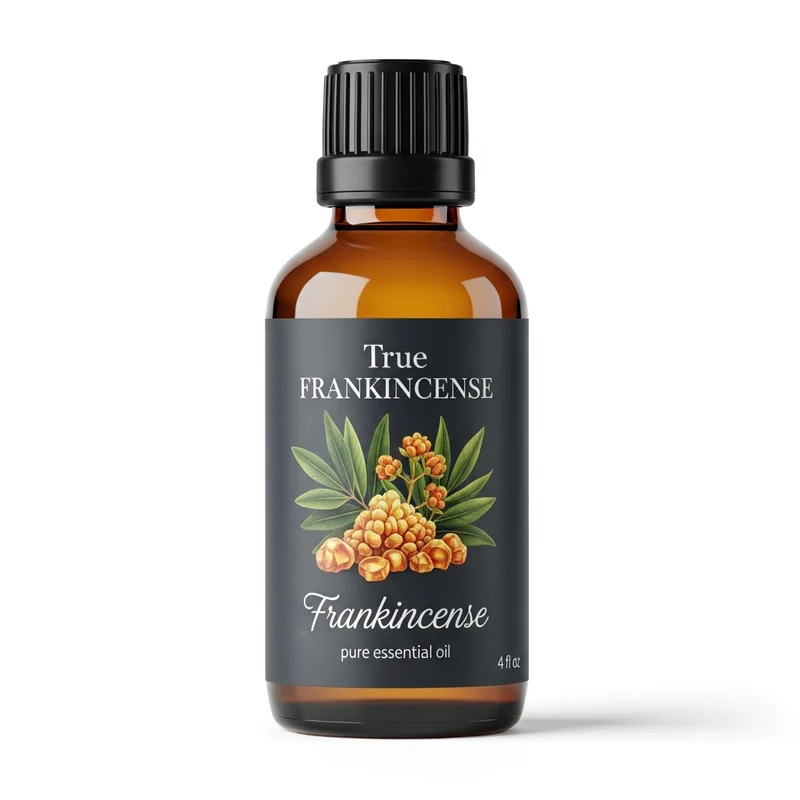
Frankincense Essential Oil
Six single-origin frankincense varieties, steam-distilled and GC/MS verified.
From $12.99
Shop Frankincense Oil →The timing couldn't be more relevant—as trees begin to bud and grasses start their growing cycle, understanding how frankincense may complement your seasonal wellness approach becomes increasingly valuable. This exploration delves into the traditional uses, emerging research observations, and practical applications that have made frankincense a sought-after companion during pollen-heavy months.
Understanding Frankincense's Historical Context in Seasonal Wellness
For millennia, frankincense has held a revered place in traditional wellness practices across multiple cultures. Ancient texts from Egypt, India, and the Middle East document its use during seasons when environmental challenges were most pronounced. Traditional practitioners often turned to frankincense during times when the air carried more particulates—whether from dust storms, seasonal plant matter, or other environmental factors.
The resin's aromatic compounds, particularly boswellic acids and various monoterpenes, have been the subject of contemporary research interest. Some studies suggest these naturally occurring constituents may interact with the body's inflammatory response pathways, though it's important to note that research is ongoing and no medical claims can be made about frankincense's effects on allergic responses.
Modern aromatherapy draws from this rich traditional knowledge while applying contemporary understanding of essential oil safety and proper dilution practices. When considering frankincense for inflammation support, it's crucial to understand that we're working within the realm of traditional use and anecdotal experience rather than established medical approach.
The Science Behind Seasonal Discomfort and Natural Support
Seasonal allergies typically involve the immune system's response to airborne particles like pollen, which can trigger various uncomfortable symptoms. While frankincense cannot treat or cure allergic reactions, some research has observed interesting properties in its constituent compounds that traditional users have long appreciated.
Laboratory studies have noted that certain compounds found in frankincense, particularly alpha-pinene and limonene, demonstrate interesting interactions in cellular research models. However, it's essential to understand that laboratory observations don't necessarily translate to real-world effects in human users, and anyone experiencing significant seasonal discomfort should consult with a qualified healthcare provider.
What people report anecdotally is a sense of respiratory comfort when using frankincense in their seasonal aromatherapy routines. Many describe feeling more at ease when diffusing frankincense during high-pollen days, though individual experiences vary widely and these reports should not be interpreted as medical evidence.
Practical Applications for Allergy Season Support
Incorporating frankincense into your seasonal wellness routine requires understanding proper dilution, safety considerations, and realistic expectations. Here are some traditional approaches that people have found supportive during pollen-heavy seasons:
Aromatherapy Diffusion Blends
Creating atmospheric blends for your living space may help promote a sense of respiratory comfort. A popular combination includes:
- 3 drops frankincense essential oil
- 2 drops eucalyptus essential oil
- 1 drop peppermint essential oil
Add this blend to your diffuser during peak pollen hours, typically early morning and early evening. Always ensure proper ventilation and discontinue use if any irritation occurs.
Topical Applications with Proper Dilution
Some people find comfort in applying properly diluted frankincense to pulse points during allergy season. A safe dilution would be:
- 1-2 drops frankincense essential oil
- 1 teaspoon carrier oil (such as jojoba or fractionated coconut oil)
Safety Warning: Always perform a patch test before topical application. Apply a small amount to your inner wrist and wait 24 hours to ensure no adverse reaction occurs. Pregnant women, nursing mothers, and individuals with sensitive skin should consult a healthcare provider before use.
Steam Inhalation Practices
Traditional steam inhalation, when done safely, has been used for centuries to support respiratory comfort. Add 1-2 drops of frankincense to a bowl of steaming water, drape a towel over your head, and breathe gently for 5-10 minutes. This practice should be done with caution, ensuring the water isn't too hot to prevent burns.
For more comprehensive guidance on respiratory applications, refer to our detailed frankincense respiratory guide which covers additional traditional techniques and safety considerations.
Seasonal Timing and Variations
The most effective seasonal support often involves adjusting your approach based on local pollen forecasts and personal sensitivity patterns. Many people find that beginning their frankincense aromatherapy routine before peak pollen season starts may help them feel more prepared for environmental challenges.
Spring Preparation (March-April)
As tree pollens begin to emerge, consider starting with gentle diffusion practices. Begin with lower concentrations and shorter exposure times to allow your system to adjust to the aromatic compounds.
Peak Season Adjustments (May-June)
During peak grass and tree pollen seasons, you might increase the frequency of your aromatherapy practices while maintaining proper dilution ratios. Some people report feeling more comfortable when they use their diffuser blends both morning and evening during these months.
Late Season Support (July-September)
As ragweed and other late-season allergens emerge, you may need to adapt your blend recipes. Some traditional practitioners suggest combining frankincense with other historically supportive oils like lavender or chamomile during this period.
Integration with Comprehensive Seasonal Wellness
Frankincense works best as part of a holistic approach to seasonal comfort rather than as a standalone solution. Consider combining your aromatherapy practices with:
- Regular nasal irrigation with saline solution
- Keeping windows closed during peak pollen hours
- Showering and changing clothes after outdoor activities
- Using high-quality air filters in your home
- Maintaining good overall wellness through adequate sleep and hydration
The principles outlined in our frankincense aromatherapy guide can help you develop a more comprehensive understanding of how to incorporate these practices into your daily routine safely and effectively.
Quality Considerations for Seasonal Use
When selecting frankincense for seasonal support, quality becomes particularly important. Look for oils that are:
- Steam distilled from authentic Boswellia species
- Third-party tested for purity and potency
- Sourced from reputable suppliers with transparent practices
- Stored properly to maintain therapeutic constituents
Higher quality oils typically provide more consistent aromatic experiences and may be less likely to cause sensitivities—an important consideration during allergy season when your system may already be more reactive to environmental factors.
Safety Considerations and When to Seek Professional Guidance
While frankincense is generally considered safe for most people when used properly, seasonal allergies can sometimes mask more serious respiratory conditions. Always consult with a qualified healthcare provider if you experience:
- Severe or worsening respiratory symptoms
- Chest tightness or difficulty breathing
- Symptoms that don't respond to environmental controls
- New or unusual reactions to essential oils
- Any condition that interferes with daily activities
Essential oils should complement, never replace, appropriate medical care. If you're currently taking medications for allergies or respiratory conditions, discuss aromatherapy practices with your healthcare provider before beginning any new routine.
Looking Ahead: Preparing for Next Season
As this allergy season winds down, consider keeping notes about which frankincense applications felt most supportive for your individual needs. This documentation can help you prepare more effectively for next year's pollen challenges and refine your natural support approaches.
Remember that natural support is most effective when it's part of a consistent, well-planned approach rather than a reactive response to seasonal discomfort. By understanding both the traditional wisdom and modern safety considerations surrounding frankincense use, you can make informed decisions about incorporating this ancient treasure into your seasonal wellness routine.
Whether you're new to essential oils or a seasoned aromatherapy enthusiast, frankincense offers a time-honored approach to seasonal support that honors both ancient wisdom and contemporary safety practices. As with all natural wellness approaches, patience, consistency, and proper guidance form the foundation of the most satisfying experiences.
Frankincense Essential Oil
Serrata, carterii, sacra, frereana, neglecta and rivae: steam-distilled, GC/MS verified, in sizes from 0.5 oz to bulk.
From $12.99
Shop Frankincense Oil →