Best Frankincense Oil for Meditation and Spiritual Practice: A Complete Buyer's Guide
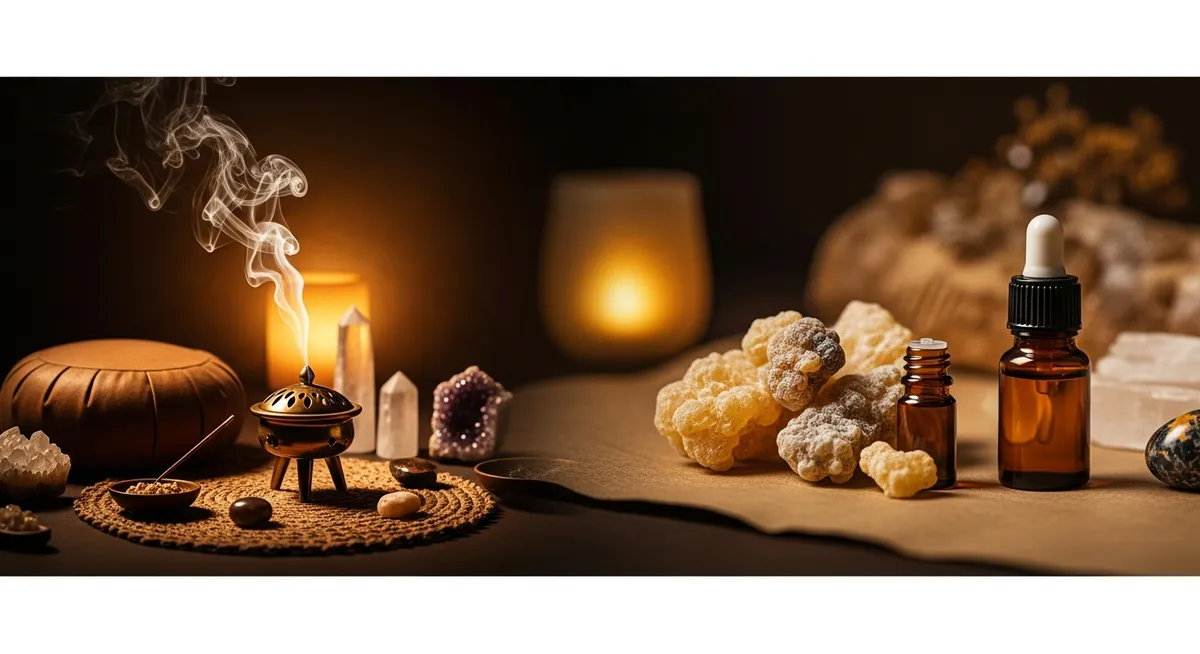
For millennia, frankincense has been revered as the sacred scent that bridges earth and heaven. Today's spiritual practitioners and meditation enthusiasts seek this ancient treasure to create sacred space, deepen contemplative practice, and honor time-tested traditions. Yet with countless options flooding the market, selecting the best frankincense for meditation requires discerning knowledge of quality indicators, species variations, and authentic sourcing practices.
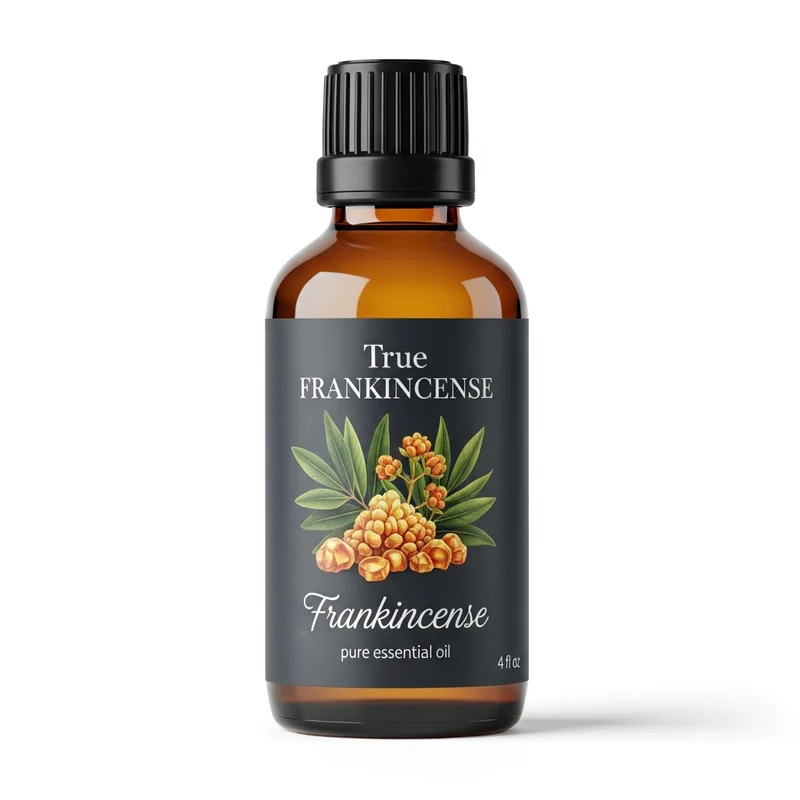
Frankincense Essential Oil
Six single-origin frankincense varieties, steam-distilled and GC/MS verified.
From $12.99
Shop Frankincense Oil →This comprehensive guide illuminates the path to finding exceptional spiritual frankincense oil that honors both ancient wisdom and modern quality standards. Whether you're a seasoned practitioner or beginning your aromatic journey, understanding these crucial selection criteria will ensure your investment serves your sacred practice for years to come.
Understanding Quality Indicators: What Separates Sacred from Synthetic
Authentic frankincense oil carries the unmistakable signature of its sacred origins. The finest frankincense meditation oil exhibits specific characteristics that reflect meticulous harvesting, proper distillation, and ethical sourcing practices.
Botanical Authenticity
True frankincense derives exclusively from Boswellia species trees, primarily Boswellia sacra, Boswellia carterii, Boswellia frereana, and Boswellia serrata. Each species offers distinct aromatic profiles and traditional applications, as detailed in our comprehensive Boswellia species guide. Premium suppliers provide complete botanical identification, including the specific Boswellia variety and harvest region.
Extraction Method Excellence
Steam distillation remains the gold standard for producing meditation-quality frankincense oil. This gentle process preserves the delicate aromatic compounds that have supported spiritual practices throughout history. CO2 extraction offers another high-quality alternative, yielding oils with fuller aromatic complexity. Avoid oils processed through chemical solvents, which compromise both purity and energetic integrity.
Geographic Origin Transparency
The world's finest frankincense originates from specific regions where Boswellia trees have adapted to unique terroir conditions. Omani frankincense (Boswellia sacra) commands particular reverence for its exceptional quality and sacred frankincense history. Ethiopian varieties offer robust, earthy profiles, while Indian frankincense provides accessible options with reliable consistency.
Purity and Adulteration Testing
Reputable suppliers provide gas chromatography-mass spectrometry (GC-MS) analysis reports, revealing the oil's complete chemical composition. These scientific fingerprints confirm authenticity and reveal any synthetic adulterants or carrier oil dilutions. Pure frankincense oil contains no additives, synthetic fragrances, or diluting agents.
Key Features to Compare: Building Your Selection Criteria
When evaluating potential additions to your spiritual practice, several critical factors distinguish exceptional frankincense oils from mediocre alternatives.
Aromatic Profile Depth
Premium frankincense oils reveal complex aromatic layers that unfold during meditation sessions. Initial citrus-fresh top notes give way to warm, balsamic heart notes, finally settling into deep, resinous base notes that may linger for hours. This aromatic evolution supports extended contemplative practices and creates lasting sacred atmosphere.
Viscosity and Color Characteristics
Authentic frankincense oil typically exhibits pale yellow to amber coloration, though some varieties may appear nearly colorless when freshly distilled. The oil should flow freely at room temperature while maintaining slight viscosity that indicates proper concentration of aromatic compounds.
Packaging and Preservation
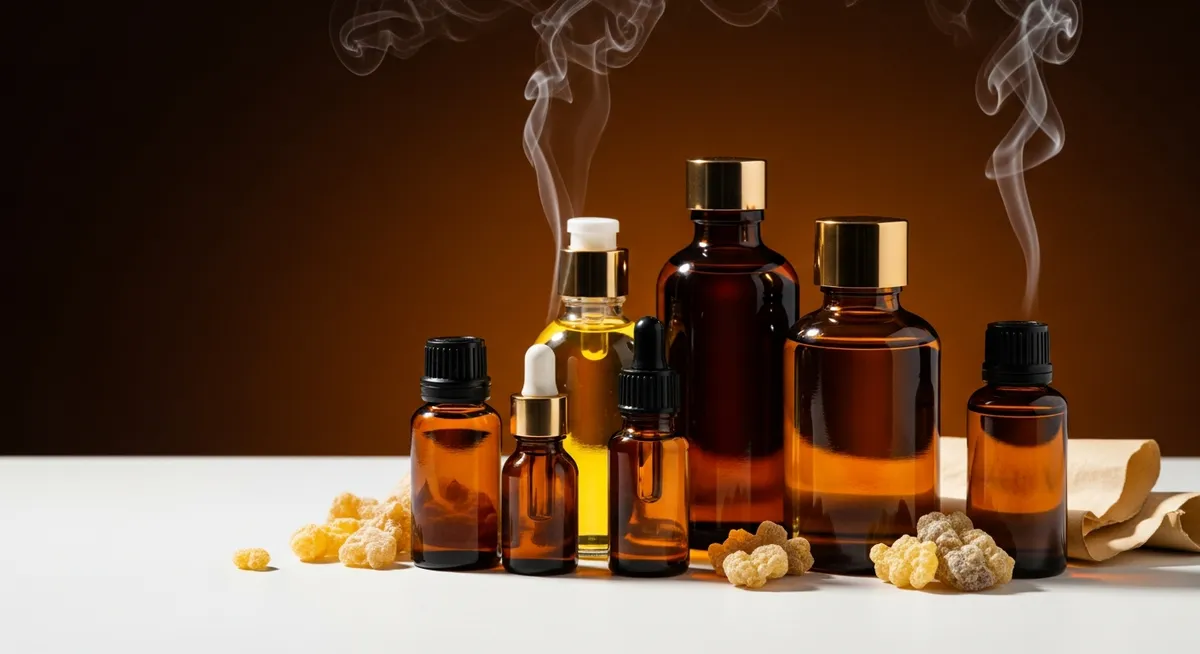
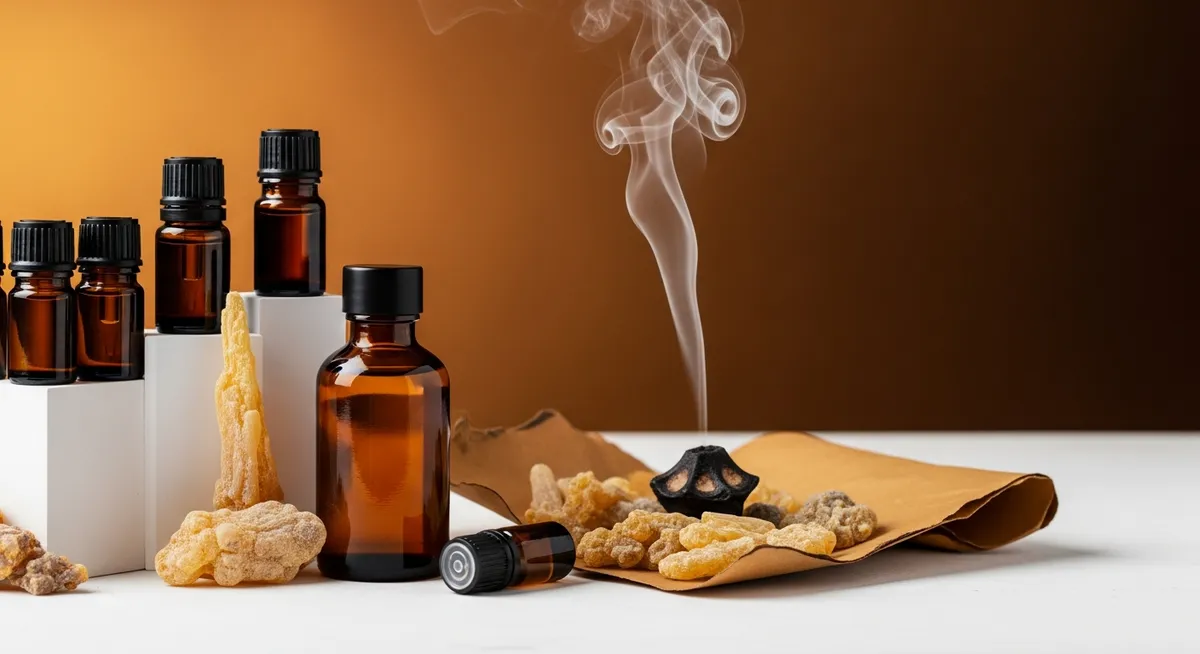
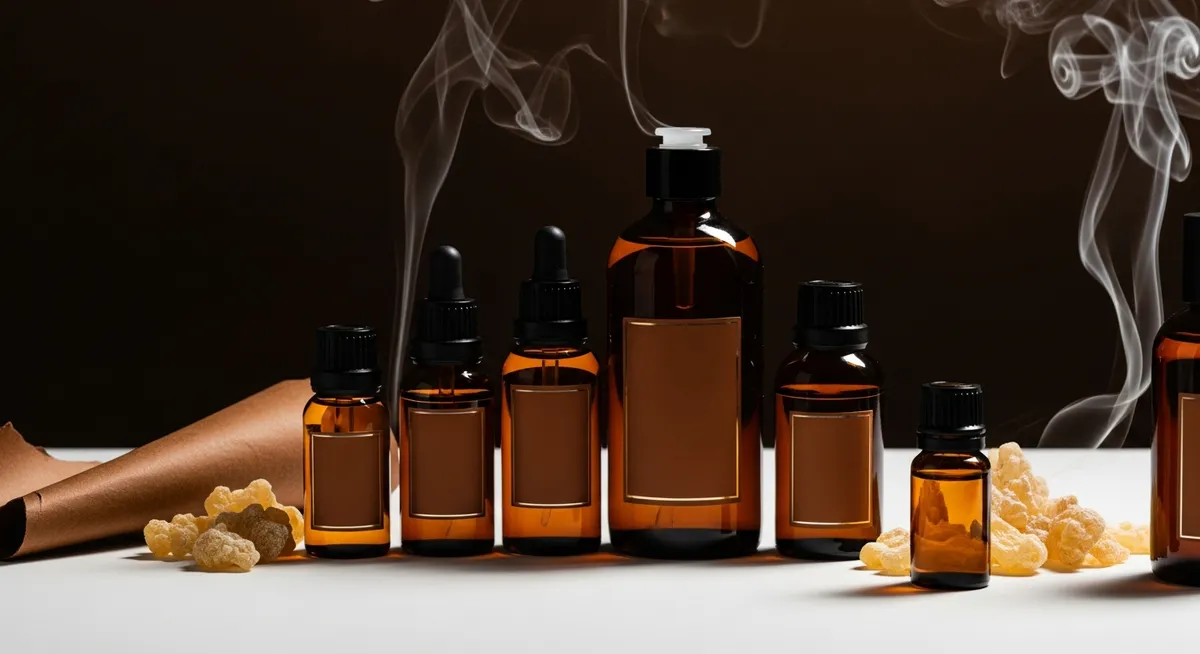
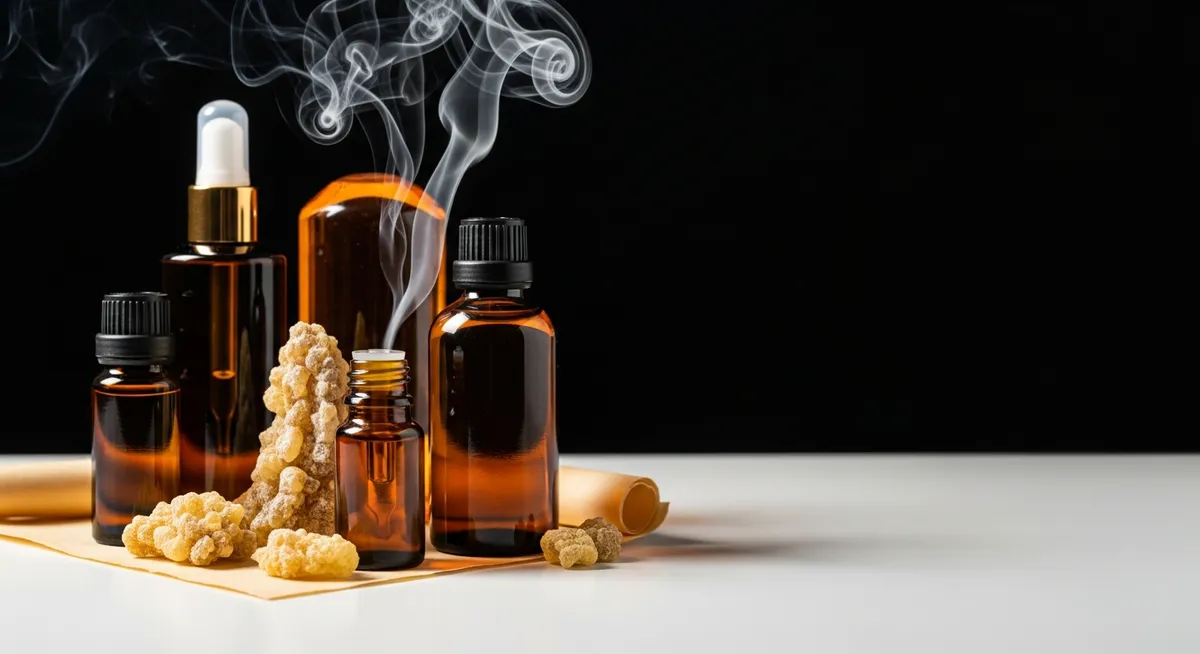
Light-sensitive aromatic compounds require protection through dark amber or cobalt blue glass bottles. Quality suppliers include proper orifice reducers for controlled dispensing and child-resistant caps for safety. Avoid oils sold in clear glass or plastic containers, which accelerate degradation and compromise longevity.
Sourcing Ethics and Sustainability
Conscious practitioners increasingly prioritize suppliers who support sustainable harvesting practices and fair compensation for indigenous communities. Look for certifications such as Fair Trade, organic credentials, or direct relationships with traditional harvesters who maintain ancestral stewardship practices.
Top Picks by Price Point: Quality Options for Every Budget
Exceptional frankincense oils span a wide price spectrum, reflecting variations in species rarity, geographic origin, and production scale. Understanding these categories helps identify the best value within your investment comfort zone.
Premium Selection ($80-200+ per 5ml)
Omani Frankincense Sacra represents the pinnacle of frankincense excellence. Harvested from ancient Boswellia sacra trees in Dhofar's UNESCO World Heritage sites, this oil carries profound spiritual significance and unmatched aromatic complexity. The investment reflects extremely limited supply, traditional harvesting methods, and centuries of revered use in royal and religious ceremonies.
Wild-Harvested Boswellia carterii from Somalia's pristine regions offers another premium choice. These oils typically display robust, earthy profiles with remarkable longevity and depth that supports extended meditation sessions.
Mid-Range Excellence ($30-80 per 5ml)
Ethiopian Frankincense provides exceptional value for serious practitioners. These oils balance aromatic sophistication with reasonable pricing, often displaying bright, uplifting profiles that enhance both personal meditation and group ceremonies.
Indian Boswellia serrata offers reliable consistency and gentle, approachable aromatics perfect for daily practice. While less rare than Arabian varieties, quality Indian frankincense oils provide authentic spiritual support at accessible prices.
Entry-Level Quality ($15-30 per 5ml)
Blended Frankincense Oils combine multiple Boswellia species to create balanced, affordable options. When properly formulated by reputable suppliers, these blends offer genuine frankincense benefits for beginning practitioners or high-frequency use.
Organic Certified Options in this range provide quality assurance through third-party verification, ensuring chemical-free production even at moderate price points.
Red Flags to Avoid: Protecting Your Investment
The frankincense market contains numerous products that fail to meet standards worthy of sacred practice. Recognizing these warning signs prevents disappointing purchases and ensures your spiritual investment serves its intended purpose.
Pricing Inconsistencies
Authentic frankincense essential oil commands premium pricing due to labor-intensive harvesting and limited supply. (See: NIH — Boswellia Research.) Oils priced significantly below market averages likely contain synthetic fragrances, carrier oil dilutions, or inferior source materials.
Vague Origin Information
Reputable suppliers provide specific geographic origins, harvest dates, and botanical identification. Avoid products with generic labeling such as "frankincense oil" without species identification or "imported" without country specification.
Missing Safety Information
Quality suppliers include proper dilution guidelines, contraindication warnings, and safety recommendations. Products lacking this information may come from manufacturers unfamiliar with essential oil safety standards.
Unrealistic Health Claims
While frankincense has been traditionally used in various cultural practices, avoid suppliers making specific medical or therapeutic claims. Ethical companies focus on quality, sourcing, and traditional uses rather than unsubstantiated health promises.
Where to Buy: Navigating the Marketplace
Sourcing exceptional frankincense oil requires identifying suppliers who prioritize quality, authenticity, and ethical practices over profit margins.
Specialized Essential Oil Companies
Companies dedicated exclusively to essential oils typically maintain higher quality standards and deeper sourcing relationships than general retailers. Look for suppliers who provide detailed product information, testing reports, and educational resources about proper usage.
Direct Import Specialists
Some companies maintain direct relationships with traditional harvesters in frankincense-producing regions. These partnerships often yield exceptional oils while supporting indigenous communities and sustainable practices.
Certified Organic Retailers
Organic certification provides third-party verification of production standards, though not all exceptional frankincense oils carry organic credentials due to wild-harvesting practices and certification costs in remote regions.
Artisan and Small-Batch Producers
Smaller suppliers sometimes offer unique varieties or specialized processing methods unavailable from large commercial producers. Research their sourcing practices and quality standards before purchasing.
Storage and Longevity: Maximizing Your Investment
Proper storage practices preserve your frankincense oil's aromatic integrity and extend its useful life for meditation practice.
Environmental Conditions
Store oils in cool, dark locations away from temperature fluctuations and direct sunlight. Consistent temperatures between 60-70°F provide optimal preservation conditions.
Container Considerations
Keep oils in their original dark glass containers with tight-fitting caps. Transfer only small amounts to separate bottles for daily use, preserving the main supply from repeated air exposure.
Longevity Expectations
High-quality frankincense oil maintains optimal aromatic properties for 3-5 years when properly stored. Some practitioners report that well-preserved oils develop even greater depth and complexity over time.
Integrating Frankincense into Your Practice
Understanding proper usage enhances both safety and spiritual benefit from your frankincense oil investment. Our detailed frankincense meditation guide provides comprehensive instructions for incorporating this sacred oil into various contemplative practices.
Diffusion Methods
Ultrasonic diffusers provide gentle, consistent aromatherapy suitable for extended meditation sessions. Traditional methods such as oil burners or reed diffusers offer authentic approaches that honor historical usage patterns.
Topical Applications
Always dilute frankincense oil properly before skin contact. A 1-2% dilution ratio (1-2 drops per teaspoon of carrier oil) provides safe application for pulse points or meditation mudras. Perform patch tests before first use and consult qualified healthcare providers if you have sensitive skin or medical conditions.
Sacred Space Creation
A few drops of quality frankincense oil on meditation cushions, prayer flags, or altar cloths creates lasting sacred atmosphere. The oil's natural preservative properties help maintain the energetic integrity of spiritual objects.
Conclusion: Choosing Your Sacred Companion
Selecting the best frankincense oil for meditation represents more than a simple purchase—it establishes a relationship with one of humanity's most revered spiritual allies. By prioritizing quality indicators, understanding species variations, and choosing suppliers who honor both ancient traditions and modern safety standards, you invest in authentic aromatic support for your contemplative journey.
Whether you choose premium Omani treasures or excellent mid-range alternatives, remember that the most important quality lies not in price alone, but in the oil's ability to create sacred space and support your unique spiritual path. Trust your intuitive response to different oils while applying the practical knowledge this guide provides.
The perfect frankincense oil awaits—one that will serve as a faithful companion through countless hours of meditation, prayer, and inner exploration. Choose mindfully, store carefully, and allow this ancient gift to enrich your spiritual practice for years to come.
Frankincense Essential Oil
Serrata, carterii, sacra, frereana, neglecta and rivae: steam-distilled, GC/MS verified, in sizes from 0.5 oz to bulk.
From $12.99
Shop Frankincense Oil →