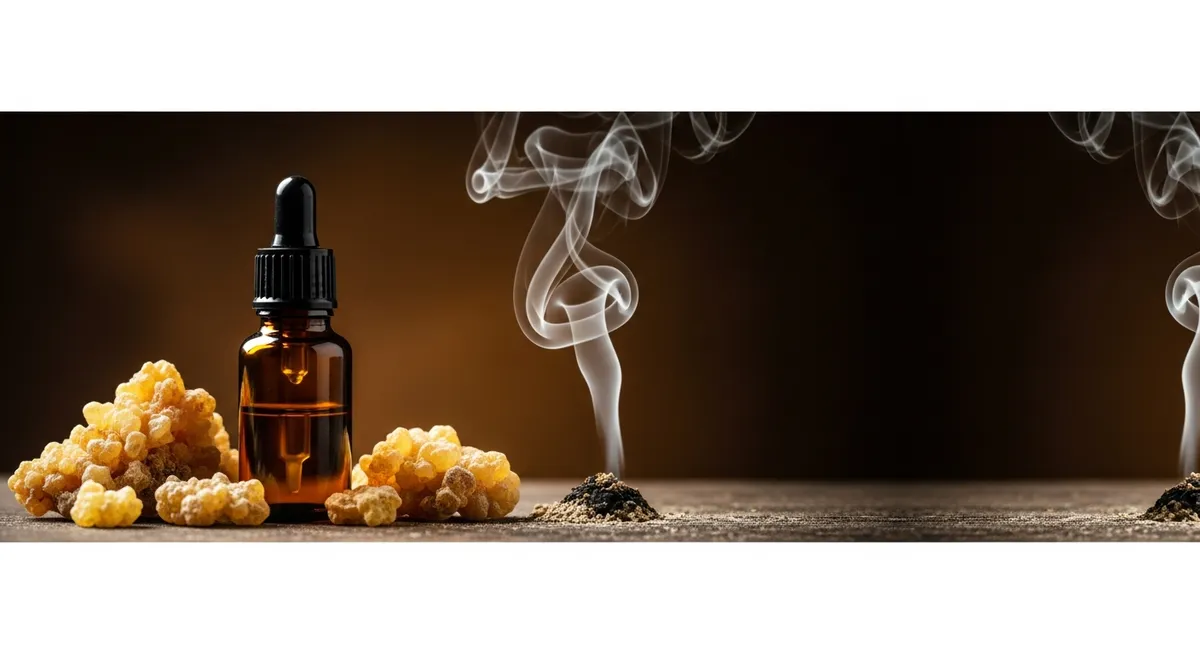
6 Frankincense Varieties Every Collector Should Know
For the discerning enthusiast, frankincense represents far more than mere fragrance—it embodies millennia of sacred tradition, geographic terroir, and botanical complexity. While many are familiar with frankincense as a singular entity, the reality is far more nuanced. The genus Boswellia encompasses numerous species, each producing resin with distinct aromatic profiles and cultural significance.
Frankincense Essential Oil
Six single-origin frankincense varieties, steam-distilled and GC/MS verified.
From $12.99
Shop Frankincense Oil →Understanding these varieties transforms casual appreciation into educated curation. From the legendary Hojari of Oman to the spiritually revered Boswellia serrata of India, each variety tells a story of climate, soil, and centuries-old harvesting traditions. This comprehensive guide presents six essential frankincense varieties that define the collector's canon.
1. Boswellia Sacra (Hojari Grade) - The Crown Jewel
Regarded as the pinnacle of frankincense quality, Hojari-grade Boswellia sacra commands reverence among collectors worldwide. This extraordinary variety originates exclusively from the Dhofar region of Oman, where specific microclimatic conditions and soil composition create optimal growing conditions for the most prized frankincense trees.
The resin tears of authentic Hojari present as translucent amber to pale green crystals, often with a distinctive silvery sheen. When burned or distilled, Hojari reveals complex aromatic layers—initial citrus brightness gives way to profound woody depth, culminating in ethereal, almost otherworldly top notes that seem to elevate consciousness itself. The scent profile is remarkably clean and refined, lacking the sometimes sharp or medicinal qualities found in lesser grades.
Collector's Note: Authentic Hojari carries premium pricing and is often sold with certificates of origin. Due to its rarity and cultural significance, sustainable sourcing practices are essential when acquiring this treasured variety.
2. Boswellia Carterii - The Classic Sacred Resin
Often considered the archetype of traditional frankincense, Boswellia carterii primarily sources from Somalia and represents the frankincense of biblical and historical significance. This variety has been traded along ancient incense routes for over 5,000 years, establishing it as perhaps the most culturally significant frankincense species.
Boswellia carterii resin typically presents as golden to amber-colored tears with occasional darker brown specimens. The aromatic profile tends toward the warm and resinous, with prominent balsamic undertones and subtle spice notes. When distilled into essential oil, B. carterii produces a rich, complex fragrance that balances earthy depth with transcendent clarity. Many describe its scent as the quintessential "church incense" aroma that has permeated religious ceremonies across cultures.
Collector's Note: This variety offers excellent value for collectors seeking authentic traditional frankincense. Quality can vary significantly based on harvest conditions and processing methods, making reputable sourcing crucial.
3. Boswellia Frereana - The Mystical Maydi
Exclusively native to northern Somalia, Boswellia frereana produces the renowned "Maydi" or "King" frankincense, prized for its extraordinary sweetness and unique aromatic signature. This variety grows in harsh, arid conditions along the Somali coast, where extreme environmental stresses contribute to the resin's concentrated potency and distinctive character.
Maydi frankincense is immediately recognizable by its pale, almost white appearance and remarkable translucency. The resin tears often exhibit perfect clarity, resembling precious gems more than typical botanical exudates. The scent profile is notably sweeter than other varieties, with pronounced vanilla and honey notes complemented by delicate floral undertones. Some collectors describe detecting subtle lemon and pine nuances that create an almost confectionery-like complexity.
Collector's Note: Boswellia frereana is increasingly rare due to regional instability and overharvesting. Authentic specimens command high prices and should be acquired from established suppliers with verified provenance chains. You can find our own directly sourced Maydi frankincense resin in the shop.
4. Boswellia Serrata - The Indian Sacred Tree
Venerated throughout India as "Shallaki" in Ayurvedic tradition, Boswellia serrata represents the subcontinent's primary frankincense species. This variety has been integral to Hindu religious practices and traditional wellness systems for millennia, earning it profound cultural reverence alongside its aromatic merits.
Indian frankincense typically produces resin in varied colors ranging from pale yellow to deep amber, often with reddish or brownish hues. (See: NIH — Boswellia Research.) The aromatic profile differs markedly from African and Arabian varieties, presenting earthier, more grounded scent characteristics. B. serrata often exhibits woody, slightly medicinal notes with underlying sweetness and subtle spice elements reminiscent of the Indian subcontinent's diverse botanical landscape.
Collector's Note: This variety offers unique cultural significance and represents excellent value. The extensive traditional knowledge surrounding B. serrata makes it particularly fascinating for collectors interested in ethnobotanical history and traditional applications.
5. Boswellia Papyrifera - The Ethiopian Tigray
Sourced primarily from Ethiopia's northern regions, particularly the historic Tigray province, Boswellia papyrifera produces frankincense with distinctive characteristics that reflect its unique terroir. This variety grows in highland environments quite different from the coastal and desert conditions favored by other species, resulting in notably different resin properties.
Ethiopian frankincense typically appears as darker, more opaque resin tears with colors ranging from golden brown to deep amber. The aromatic profile tends toward the robust and full-bodied, with pronounced woody and balsamic elements. Many collectors note detecting subtle fruit notes and a characteristic "green" quality that distinguishes it from its Arabian and Somali counterparts. The essential oil distilled from B. papyrifera often exhibits excellent longevity and complexity.
Collector's Note: This variety represents excellent value for money while offering distinctive aromatic experiences. Ethiopian frankincense often displays remarkable consistency in quality, making it ideal for collectors developing their palate.
6. Boswellia Rivae - The Rare Ethiopian Highland
Perhaps the most elusive variety on this list, Boswellia rivae grows exclusively in Ethiopia's remote highland regions, where limited accessibility and small-scale harvesting create extreme scarcity in international markets. This variety represents the ultimate prize for serious collectors seeking truly rare and distinctive frankincense experiences.
B. rivae resin typically presents as small, irregular tears with colors ranging from pale amber to dark brown, often with distinctive reddish undertones. The scent profile is remarkably unique—many describe detecting unusual floral and even wine-like notes that distinguish it completely from other frankincense varieties. The aromatic complexity often surprises even experienced collectors, with layers that continue revealing themselves over extended burning or diffusion periods.
Collector's Note: Due to extreme rarity and limited harvesting, authentic B. rivae commands premium prices and is often available only through specialized dealers. Collectors should verify authenticity carefully and consider this variety a long-term investment piece.
Building Your Collection: Practical Considerations
Developing a comprehensive frankincense collection requires careful attention to storage, sourcing, and authentication. Store resin in airtight containers away from direct light and temperature fluctuations to preserve aromatic integrity. Essential oils should be kept in dark glass bottles in cool, stable environments.
Authentication remains crucial, as market demand has unfortunately led to adulteration and mislabeling. Work exclusively with reputable suppliers who provide detailed provenance information and certificates of authenticity when available. Consider starting with smaller quantities to develop your palate before investing in premium grades.
For those interested in exploring the broader world of frankincense botany, our comprehensive Boswellia species guide provides detailed information on additional varieties and their unique characteristics.
Remember that frankincense collection represents participation in an ancient tradition that connects us to countless generations who have treasured these sacred resins. Each variety carries not just aromatic beauty, but cultural heritage, geographic story, and botanical wonder worthy of deep appreciation and respectful stewardship.
Frankincense Essential Oil
Serrata, carterii, sacra, frereana, neglecta and rivae: steam-distilled, GC/MS verified, in sizes from 0.5 oz to bulk.
From $12.99
Shop Frankincense Oil →