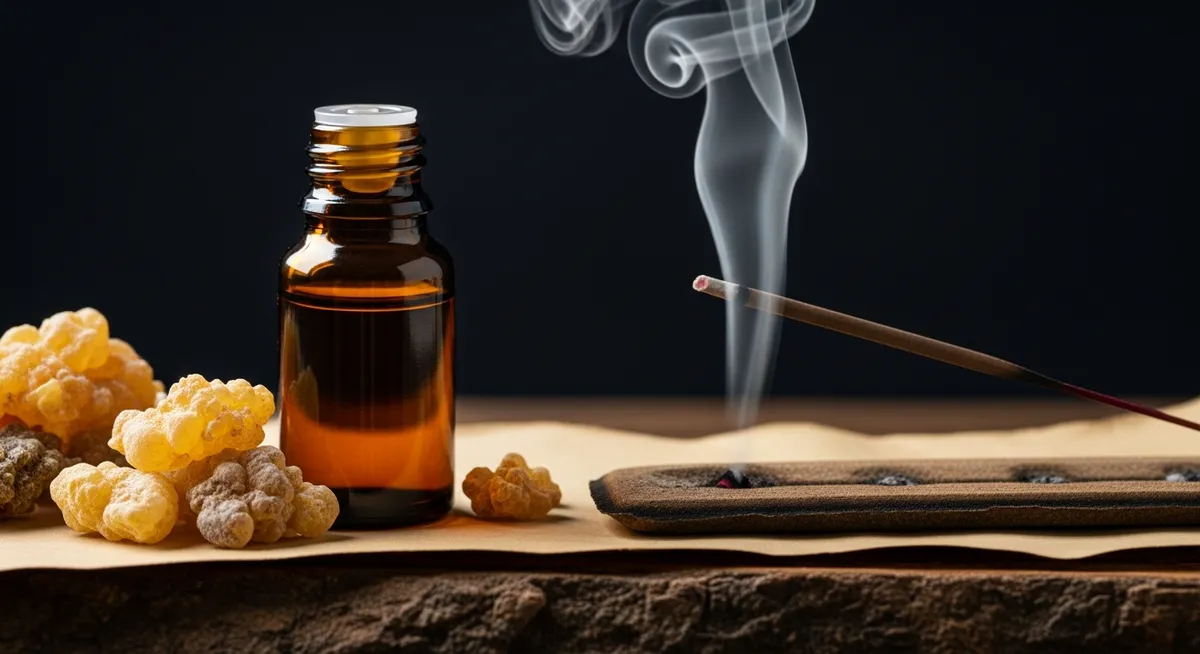
5 Frankincense Oil Mistakes That Are Wasting Your Money
Frankincense essential oil commands premium prices for good reason—this ancient treasure offers unparalleled aromatic complexity and centuries of traditional use. Yet many enthusiasts unknowingly make costly mistakes that diminish their oil's quality, potency, and value. From improper storage to dilution errors, these common frankincense mistakes can transform your precious investment into an expensive disappointment.
Frankincense Essential Oil
Six single-origin frankincense varieties, steam-distilled and GC/MS verified.
From $12.99
Shop Frankincense Oil →Whether you're new to frankincense or a seasoned aromatherapy practitioner, understanding these pitfalls will help you maximize both the longevity and aromatic experience of your oils. Let's explore the five most common—and costly—mistakes people make with their frankincense collection.
1. Buying Low-Quality or Adulterated Frankincense Oil
The most expensive frankincense mistake begins at the point of purchase. The market overflows with diluted, synthetic, or mislabeled products masquerading as pure frankincense oil. These inferior products not only fail to deliver the complex aromatic profile you're seeking, but they also represent money spent on something fundamentally different from authentic frankincense.
Authentic frankincense oil should display botanical specificity—look for species names like Boswellia sacra, Boswellia carterii, or Boswellia frereana rather than generic "frankincense oil." Quality oils also come with detailed sourcing information, including harvest region and distillation method. Many budget options contain carrier oils, synthetic fragrances, or oils from less expensive Boswellia species without clear labeling.
Money-Saving Takeaway: Invest in fewer bottles of verified, pure frankincense oil rather than multiple questionable products. Research suppliers thoroughly and consider our comprehensive frankincense quality guide to learn the markers of authentic oil. A single bottle of genuine frankincense will provide more value than several adulterated alternatives.
2. Improper Storage Leading to Rapid Degradation
Frankincense oil's molecular complexity makes it particularly vulnerable to environmental damage. Heat, light, and oxygen exposure trigger chemical reactions that alter the oil's aromatic compounds, diminish its traditional properties, and ultimately waste your investment. Many people store their oils in bathroom medicine cabinets, on sunny windowsills, or in cars—all environments that accelerate degradation.
Proper storage requires consistent cool temperatures, protection from UV light, and minimal air exposure. Dark glass bottles help, but they're insufficient if stored in fluctuating temperatures or opened frequently. Each time you expose the oil to air, oxidation processes begin that can't be reversed. Additionally, extreme temperature changes can cause the oil's components to separate or crystallize.
Money-Saving Takeaway: Store frankincense oil in a cool, dark location with stable temperatures—a bedroom dresser drawer or dedicated aromatherapy storage box works well. Always replace caps immediately and consider transferring portions to smaller bottles to minimize air exposure to your main supply. Our detailed frankincense storage guide provides specific temperature ranges and container recommendations.
3. Incorrect Dilution Ratios Wasting Precious Oil
Frankincense oil's potency means a little goes a long way—yet many users apply it neat (undiluted) or use excessive amounts, rapidly depleting their supply without enhancing the aromatic experience. This common frankincense error stems from unfamiliarity with proper dilution ratios and the mistaken belief that more oil equals better results.
For most aromatic applications, frankincense oil should be diluted to 1-3% concentration in a suitable carrier oil. (See: NIH — Boswellia Research.) This means just 6-18 drops per ounce of carrier oil. Using higher concentrations doesn't improve the aromatic experience and may cause skin sensitivity in topical applications. Additionally, neat application can overwhelm your olfactory receptors, actually diminishing your ability to appreciate frankincense's subtle aromatic nuances.
Money-Saving Takeaway: Master proper dilution ratios to extend your oil's lifespan dramatically. A single 5ml bottle of frankincense oil can create multiple ounces of properly diluted blends. Keep a dilution chart handy and pre-mix small batches rather than adding drops directly each time. For detailed mixing ratios and carrier oil recommendations, consult our frankincense dilution guide.
4. Using Inappropriate Application Methods
Frankincense oil's versatility can lead to misguided application attempts that waste oil and potentially create safety concerns. Common errors include using excessive amounts in diffusers, applying oil to inappropriate surfaces, or mixing it with incompatible materials. Each misapplication not only consumes more oil than necessary but may also fail to deliver the intended aromatic experience.
Diffuser overuse represents a particularly costly mistake. Many users assume more oil creates better aromatherapy, but frankincense's complex molecular structure means 3-5 drops often provide the same aromatic impact as 10-15 drops. Similarly, applying frankincense oil to synthetic fabrics, plastics, or finished wood surfaces may damage these materials while absorbing the oil without providing aromatic benefit.
Money-Saving Takeaway: Start with minimal amounts and increase gradually only if needed. For diffusion, begin with 3 drops per 100ml of water and adjust based on room size and personal preference. When using topically, always perform patch tests and stick to recommended dilution ratios. Document what works to avoid repeated experimentation that wastes oil.
5. Purchasing Without Understanding Your Specific Needs
The final costly mistake involves buying frankincense oil without clear intentions or understanding of different species' characteristics. Boswellia sacra offers different aromatic qualities than Boswellia carterii, and each commands different price points. Purchasing expensive Boswellia sacra for general aromatherapy when Boswellia carterii would satisfy your needs represents unnecessary expense.
Additionally, buying large quantities before understanding your usage patterns often leads to waste through degradation. Frankincense oil has excellent longevity when properly stored, but even the best storage can't prevent gradual quality decline over years. New users frequently purchase multiple species or large bottles, then discover they prefer specific applications that require only small amounts.
Money-Saving Takeaway: Start with smaller bottles of one well-researched species that matches your primary intended use. Document your experiences to understand your preferences and usage patterns before expanding your collection. Consider sample sizes or smaller bottles for experimentation, reserving larger purchases for oils you've tested and enjoyed.
Maximizing Your Frankincense Investment
Avoiding these common frankincense mistakes requires education, patience, and attention to detail. Quality frankincense oil represents a significant investment, but proper selection, storage, and application practices can extend its life and enhance your aromatic experience dramatically. Remember that authentic frankincense oil's complexity rewards careful, mindful use rather than abundant application.
By understanding these pitfalls before they impact your collection, you transform from an unwitting victim of frankincense oil tips gone wrong into an informed enthusiast who maximizes every drop's value. Your wallet—and your senses—will appreciate the difference.
Frankincense Essential Oil
Serrata, carterii, sacra, frereana, neglecta and rivae: steam-distilled, GC/MS verified, in sizes from 0.5 oz to bulk.
From $12.99
Shop Frankincense Oil →