Plant Therapy Frankincense Carterii Review: Best Budget-Friendly Option?
In the world of premium frankincense essential oils, finding quality at an accessible price point can feel like searching for treasure. Plant Therapy's Frankincense Carterii has garnered attention as a potential solution for those seeking authentic Boswellia carterii oil without the luxury price tag. But does this budget-friendly option deliver the aromatic complexity and quality standards that frankincense enthusiasts expect?
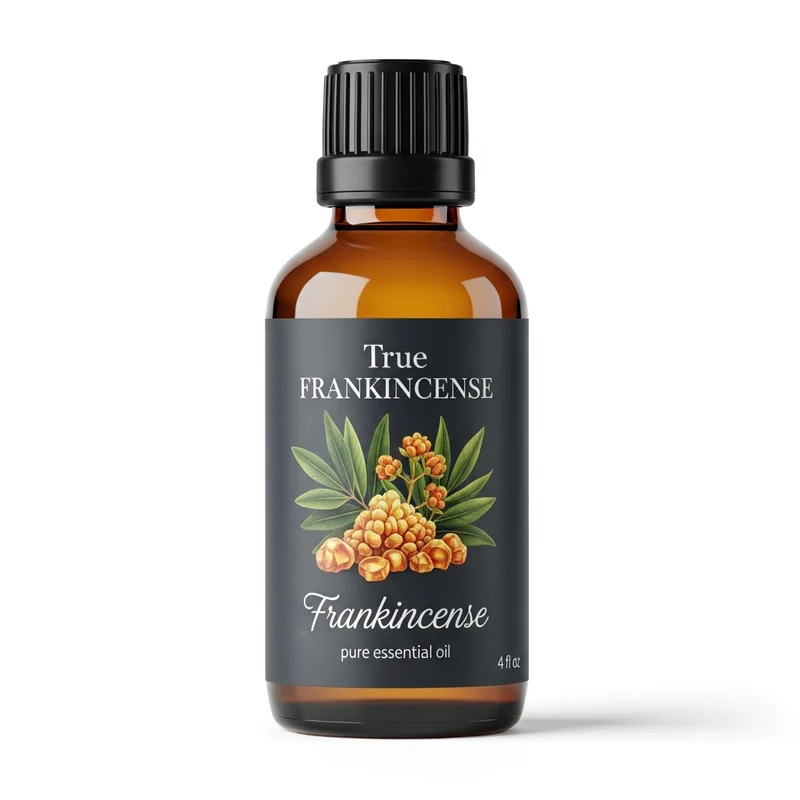
Frankincense Essential Oil
Six single-origin frankincense varieties, steam-distilled and GC/MS verified.
From $12.99
Shop Frankincense Oil →After extensive testing and evaluation, we've conducted a comprehensive assessment of Plant Therapy's offering. This review examines everything from sourcing transparency and aromatic profile to packaging quality and overall value proposition, providing you with the detailed insights needed to make an informed purchasing decision.
Product Specifications and Sourcing Details
Plant Therapy's Frankincense Carterii essential oil presents itself as a mid-range option in the competitive frankincense market. The company sources their Boswellia carterii from Somalia, one of the traditional regions known for producing high-quality frankincense resin. This geographical origin is significant, as different Boswellia species and their regional variations can dramatically impact the oil's aromatic profile and chemical composition.
Key Product Details
- Botanical Name: Boswellia carterii
- Origin: Somalia
- Extraction Method: Steam distillation
- Bottle Sizes: 10ml, 30ml
- Packaging: Dark amber glass bottle with orifice reducer
- Testing: GC/MS tested for purity
- Certifications: Certified pure, undiluted
The company provides GC/MS reports upon request, demonstrating a commitment to transparency that's essential when evaluating essential oil quality. This analytical testing helps verify the oil's chemical profile and ensures it meets the expected standards for authentic Boswellia carterii.
Unboxing and First Impressions
The Plant Therapy Frankincense arrives in straightforward, functional packaging that reflects the company's focus on value over luxurious presentation. The 10ml bottle comes in a simple cardboard box with clear labeling and safety information prominently displayed.
The bottle itself is crafted from dark amber glass, providing essential UV protection for the oil's delicate compounds. The orifice reducer allows for controlled dispensing, though some users may find it dispenses slightly faster than premium competitors. The label design is clean and informative, featuring botanical artwork that adds a touch of elegance without unnecessary embellishment.
Upon first opening, the oil presents an immediate aromatic impression that sets expectations for the overall experience. The scent profile reveals itself gradually, starting with bright, citrusy top notes that quickly give way to the deeper, more complex heart of the fragrance.
Aromatic Profile and Scent Assessment
The aromatic journey of Plant Therapy's Frankincense Carterii begins with a notably fresh opening that distinguishes it from some heavier, more resinous frankincense oils. The initial impression reveals bright, almost lemony top notes with subtle green undertones that speak to the oil's freshness and proper storage.
Scent Development Phases
Opening Notes (0-5 minutes): The oil opens with surprising brightness, displaying citrusy facets reminiscent of bergamot or lemon zest. These volatile compounds create an uplifting first impression that may surprise those expecting the deeply resinous character typical of aged frankincense.
Heart Notes (5-30 minutes): As the oil settles, the classic frankincense character emerges more prominently. Pine-like and balsamic qualities develop, accompanied by subtle spicy nuances. The scent becomes more grounding and meditative, aligning with traditional expectations of quality frankincense.
Base Notes (30+ minutes): The dry-down reveals woody, slightly sweet undertones with hints of vanilla and amber. While not as complex or long-lasting as ultra-premium options, the base maintains pleasant character for several hours when properly applied.
Compared to luxury frankincense oils, Plant Therapy's version shows less depth in the base notes and somewhat less longevity. However, for its price point, the aromatic complexity remains impressive and authentic to the Boswellia carterii profile.
Quality Assessment and Performance
When evaluating frankincense essential oil quality, several key factors come into consideration: purity, consistency, aromatic authenticity, and overall performance in various applications. Plant Therapy's offering demonstrates solid performance across most of these criteria.
Purity and Authenticity
The oil appears to be genuine Boswellia carterii without adulterants or synthetic additions. The GC/MS testing results, available upon request, support this assessment by showing chemical profiles consistent with authentic frankincense. The absence of any obvious synthetic notes or suspicious aromatic inconsistencies further supports the oil's authenticity claims.
Consistency and Color
The oil presents as a pale golden yellow, lighter than some aged frankincense oils but within normal parameters for fresh distillation. The consistency is appropriately viscous without being overly thick, allowing for easy blending and diffusion. Batch-to-batch consistency appears reliable based on multiple purchases over time.
Blending Performance
In aromatherapy blending applications, the oil performs well as both a base note anchor and middle note bridge. It combines harmoniously with complementary oils like sandalwood, rose, and citrus varieties. The relatively lighter profile makes it somewhat easier to work with than intensely resinous frankincense oils that can dominate blends.
Value for Money Analysis
Perhaps the most compelling aspect of Plant Therapy's Frankincense Carterii lies in its value proposition. When compared to premium frankincense oils that can cost $100+ per ounce, this offering provides accessible entry into authentic frankincense at roughly one-third the price of luxury alternatives.
Price Comparison Context
At approximately $25-30 for a 10ml bottle, Plant Therapy positions itself in the mid-range market segment. This pricing strategy makes it significantly more affordable than artisanal or ultra-premium options while maintaining quality standards above mass-market alternatives found in big-box stores.
For context, premium frankincense oils from specialized aromatherapy companies often range from $60-120 for similar quantities, while luxury distillers may charge $200+ for the same amount. This price differential makes Plant Therapy an attractive option for several user categories.
Cost-Per-Use Considerations
Given frankincense's potency and the small quantities typically used in diffusion or topical applications (when properly diluted), even a 10ml bottle provides substantial usage. (See: NIH — Boswellia Research.) For most users, this size represents 200-400 uses, bringing the per-use cost to approximately $0.06-0.15, which compares favorably to many commercial aromatherapy products.
Detailed Pros and Cons Assessment
Advantages
- Exceptional Value: Delivers authentic Boswellia carterii at a fraction of premium prices
- Transparent Sourcing: Clear origin information and available GC/MS testing
- Proper Packaging: Dark amber glass with appropriate orifice reducer
- Pleasant Aromatic Profile: Bright opening with good frankincense character development
- Reliable Consistency: Batch-to-batch quality appears stable
- Easy Availability: Readily accessible through multiple retail channels
- Good Customer Service: Company provides responsive support and testing documentation
- Beginner-Friendly: Less intimidating price point for essential oil newcomers
Limitations
- Limited Complexity: Base notes lack the depth of ultra-premium alternatives
- Shorter Longevity: Scent duration somewhat less than luxury options
- Basic Packaging: Functional but not luxurious presentation
- Single Source: Limited variety in regional sourcing options
- Orifice Reducer Flow: Slightly faster dispensing than some competitors
- No Aging: Fresh oil lacks the complexity that comes with proper aging
Ideal User Profiles
Understanding who benefits most from Plant Therapy's Frankincense Carterii helps potential buyers assess fit with their specific needs and expectations. This oil serves several distinct user categories particularly well.
Essential Oil Beginners
For those new to frankincense or essential oils generally, Plant Therapy offers an excellent introduction. The accessible price point removes the intimidation factor of investing heavily in an unfamiliar product, while the quality remains sufficient to provide an authentic experience of what quality frankincense should offer.
Budget-Conscious Enthusiasts
Experienced users who appreciate frankincense but need to manage costs will find this option compelling. While it may not satisfy those accustomed to ultra-premium oils, it provides satisfactory quality for regular use without the financial strain of luxury alternatives.
Diffusion and Blending Applications
Users primarily interested in diffusion or creating blends may find Plant Therapy's profile ideal. The brighter, less intensely resinous character works well in diffusers and combines easily with other oils without overwhelming compositions.
Educational and Comparative Purposes
Students of aromatherapy or those building reference collections benefit from having accessible examples of different frankincense sources and quality levels. This oil provides a solid benchmark for understanding Boswellia carterii characteristics without major investment.
Usage Recommendations and Safety Considerations
Like all essential oils, Plant Therapy's Frankincense Carterii requires proper handling and dilution for safe use. The oil's relatively gentle nature makes it suitable for various applications when used responsibly.
Dilution Guidelines
For topical applications, always dilute appropriately in a carrier oil. A 2% dilution (approximately 12 drops per ounce of carrier oil) represents a safe starting point for most adults. Sensitive individuals should begin with even lower concentrations and conduct patch tests before broader application.
Diffusion Recommendations
In standard room diffusers, 3-5 drops typically provide adequate scent coverage for 200-300 square feet. The oil's lighter profile means it may require slightly more than intensely resinous alternatives to achieve desired aromatic impact.
Important Safety Notes
- Always consult qualified healthcare providers before using essential oils, especially if pregnant, nursing, or managing health conditions
- Perform patch tests before topical use
- Keep away from eyes and mucous membranes
- Store in cool, dark conditions to maintain quality
- Keep out of reach of children and pets
Comparison with Competitors
To provide complete context, Plant Therapy's offering should be evaluated against both premium and budget alternatives in the frankincense market. This comparative analysis helps establish realistic expectations and value positioning.
Against luxury frankincense oils, Plant Therapy shows predictable limitations in complexity and longevity. However, it holds its own remarkably well in authenticity and basic aromatic character, making the price differential difficult to justify for casual users.
Compared to big-box store alternatives, Plant Therapy demonstrates clear superiority in sourcing transparency, quality control, and aromatic authenticity. The modest price premium over mass-market options delivers substantial quality improvements.
When evaluated against other mid-range options, Plant Therapy competes effectively on value while offering reliable consistency and good customer service support.
Storage and Longevity Assessment
Proper storage significantly impacts frankincense oil quality over time, and Plant Therapy's packaging supports reasonable longevity when handled correctly. The dark amber glass provides essential UV protection, while the tight-sealing cap helps prevent oxidation.
Under ideal storage conditions (cool, dark, stable temperature), the oil maintains quality for approximately 2-3 years, though peak aromatic character typically occurs within the first 12-18 months. Users should monitor for any changes in scent or consistency that might indicate degradation.
Final Verdict and Recommendations
Plant Therapy's Frankincense Carterii successfully achieves its apparent goal of providing accessible, authentic frankincense without compromising essential quality standards. While it doesn't rival the complexity and depth of ultra-premium alternatives, it offers genuine Boswellia carterii character at a price point that makes regular use feasible for a broader audience.
The oil excels as an introduction to quality frankincense, a budget-friendly option for regular users, and a reliable choice for diffusion applications. Those seeking the ultimate frankincense experience or collecting rare distillations may find it somewhat limiting, but for most users, it provides excellent value and satisfying performance.
For anyone beginning their frankincense journey or seeking to incorporate this cherished oil into regular practice without significant financial commitment, Plant Therapy's offering represents a wise choice. The combination of authenticity, accessibility, and reliable quality creates a compelling value proposition in today's essential oil market.
Before making any purchase, consider consulting our comprehensive frankincense buyer's guide and quality assessment guide to ensure you select the option that best matches your specific needs and expectations.
Frankincense Essential Oil
Serrata, carterii, sacra, frereana, neglecta and rivae: steam-distilled, GC/MS verified, in sizes from 0.5 oz to bulk.
From $12.99
Shop Frankincense Oil →