15 Frankincense Essential Oil Benefits Backed by Science
For millennia, frankincense has been revered as one of nature's most precious gifts. This aromatic resin, once worth its weight in gold, continues to captivate researchers and wellness enthusiasts alike with its remarkable properties. Modern science is now validating what ancient civilizations have long understood about this extraordinary botanical treasure.
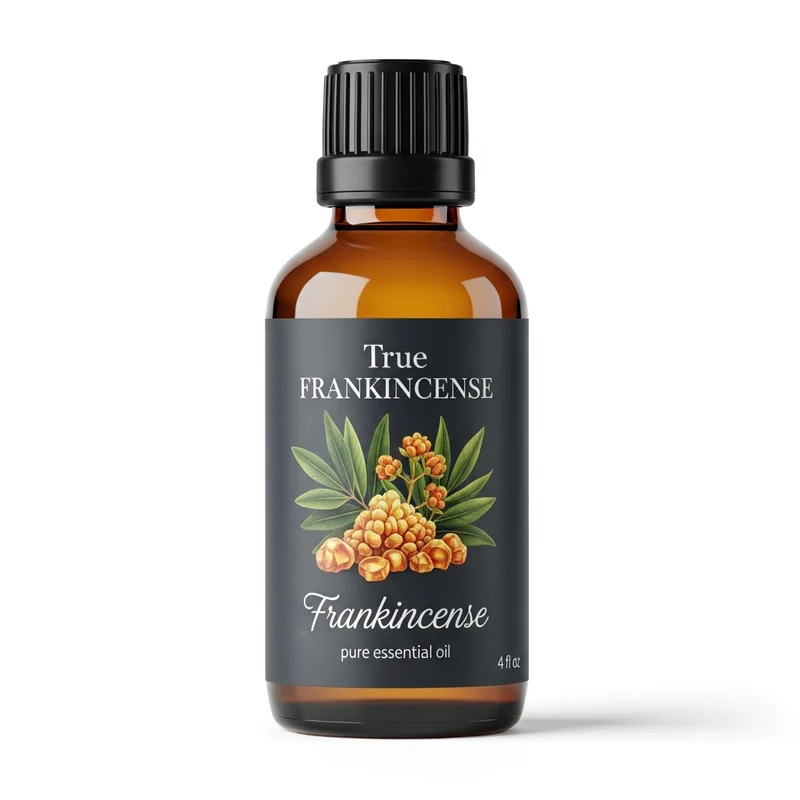
Frankincense Essential Oil
Six single-origin frankincense varieties, steam-distilled and GC/MS verified.
From $12.99
Shop Frankincense Oil →While frankincense's traditional uses span everything from spiritual practices to skincare rituals, contemporary research is revealing fascinating insights into its potential applications. From preliminary studies on cellular health to investigations into its aromatic properties, the scientific community is exploring how this ancient ally might support modern wellness routines.
In our comprehensive frankincense complete guide, we explore the full spectrum of this remarkable oil's characteristics. Today, we're diving deeper into 15 specific areas where research suggests frankincense essential oil may offer meaningful benefits for those seeking natural approaches to wellness.
1. May Support Skin Health and Appearance
Research suggests that frankincense essential oil may offer significant benefits for skin health. Studies have indicated that boswellic acids, the active compounds in frankincense, may help support the skin's natural regenerative processes. Some research points to frankincense's potential ability to promote healthy cellular turnover, which could contribute to a more youthful appearance.
Traditional use of frankincense for skin care dates back thousands of years, with historical records showing its application for maintaining healthy, radiant skin. Modern preliminary studies suggest this traditional wisdom may have scientific merit, as frankincense appears to support the skin's natural moisture barrier and may help maintain elasticity.
Practical Application: Always dilute frankincense oil with a carrier oil (2-3 drops per teaspoon of carrier oil) before topical application. Perform a patch test first and consult with a qualified healthcare provider before use. Our detailed guide on frankincense for skin offers comprehensive application methods and safety considerations.
2. May Help Promote Relaxation and Stress Response
Scientific investigations into frankincense's aromatic properties have revealed promising findings related to stress response and relaxation. Research suggests that inhaling frankincense essential oil may influence certain neurotransmitter pathways associated with mood regulation. Some studies indicate that the compound incensole acetate found in frankincense may interact with brain receptors in ways that could promote feelings of calm.
A 2019 study published in the Journal of Ethnopharmacology observed that frankincense aromatherapy was associated with reduced stress markers in preliminary trials. While more research is needed, these findings align with frankincense's long-standing reputation as a meditation and spiritual practice aid.
Practical Application: Add 3-4 drops to a diffuser or inhale directly from the bottle for aromatic benefits. For topical use during relaxation routines, dilute properly with carrier oil and apply to pulse points after conducting a patch test.
3. May Support Respiratory Wellness
Traditional respiratory support represents one of frankincense's most well-documented historical applications, and modern research is beginning to explore the mechanisms behind these traditional uses. Laboratory studies suggest that certain compounds in frankincense may help support healthy respiratory function through various pathways.
Some research indicates that frankincense's bioactive compounds may help maintain clear airways and support the body's natural respiratory processes. While human trials are still limited, preliminary findings suggest potential benefits for those seeking natural approaches to respiratory wellness.
Practical Application: Use in steam inhalation by adding 1-2 drops to hot water (not boiling) and inhaling the vapors with eyes closed. Alternatively, diffuse in living spaces or apply diluted oil to the chest area. Always consult a healthcare provider for persistent respiratory concerns.
4. May Support Healthy Inflammatory Response
One of the most extensively researched aspects of frankincense involves its potential relationship with the body's inflammatory response systems. Multiple studies have investigated boswellic acids' effects on inflammatory pathways, with some research suggesting these compounds may help support the body's natural inflammatory balance.
Laboratory research has indicated that frankincense may influence certain inflammatory markers, though it's important to note that most studies have been conducted in controlled laboratory settings rather than human trials. The traditional use of frankincense for comfort and wellness may be related to these observed properties.
Practical Application: For topical application, always dilute with carrier oil (1-2% concentration) and apply to areas of interest. Our comprehensive guide on frankincense for pain explores safe application methods and important considerations for comfort-related uses.
5. May Support Cellular Health and Longevity
Emerging research into frankincense's effects at the cellular level has yielded intriguing findings. Some laboratory studies suggest that frankincense compounds may help support healthy cellular function and natural cellular repair processes. Research has explored how boswellic acids might influence cellular health markers, though human applications require further investigation.
Studies have also examined frankincense's potential antioxidant properties, which may contribute to cellular protection against environmental stressors. While promising, these findings represent preliminary research that requires additional validation through human studies.
Practical Application: Incorporate into daily wellness routines through aromatherapy or properly diluted topical applications. Consistent, moderate use may be more beneficial than sporadic intensive use. Always consult healthcare providers regarding longevity and wellness strategies.
6. May Support Digestive Comfort
Traditional systems of wellness have long valued frankincense for digestive support, and contemporary research is beginning to explore the mechanisms behind these applications. Some studies suggest that frankincense compounds may help support healthy digestive processes and comfort.
Preliminary research has investigated frankincense's potential effects on digestive inflammation and gut health markers. While human trials remain limited, laboratory studies indicate that frankincense may help maintain digestive balance through various biological pathways.
Practical Application: For digestive support, aromatherapy applications are generally preferred over internal use. Dilute and apply topically to the abdomen area, or use in diffusion during meals. Never ingest essential oils without professional guidance from a qualified aromatherapist or healthcare provider.
7. May Support Immune System Function
Research into frankincense's relationship with immune system function has revealed several areas of interest. Some studies suggest that frankincense compounds may help support the body's natural immune responses through various mechanisms, though human trials are still emerging.
Laboratory investigations have explored how frankincense might influence immune cell activity and support the body's natural defense systems. Traditional use of frankincense during seasonal transitions may relate to these observed properties, though more research is needed to fully understand these relationships.
Practical Application: Incorporate into seasonal wellness routines through diffusion or properly diluted topical applications. Combine with other immune-supporting lifestyle practices like adequate sleep, nutrition, and stress management for comprehensive wellness approaches.
8. May Support Cognitive Function and Mental Clarity
Emerging research into frankincense's effects on cognitive function has yielded promising preliminary findings. Some studies suggest that frankincense aromatherapy may help support mental clarity and cognitive performance, particularly in areas related to focus and attention.
Research has explored how frankincense compounds might influence neurotransmitter activity and brain function. While human studies are still developing, laboratory research indicates potential benefits for cognitive wellness that align with frankincense's traditional use in meditation and spiritual practices.
Practical Application: Use during study sessions or focused work by diffusing or applying diluted oil to pulse points. The aromatic properties may help create an environment conducive to concentration and mental clarity.
9. May Support Joint Comfort and Mobility
Traditional applications of frankincense for joint comfort have attracted significant research attention. (See: NIH — Boswellia Research.) Studies suggest that boswellic acids may help support healthy joint function and mobility through various biological pathways related to inflammatory response and tissue health.
Some research indicates that frankincense may help maintain joint comfort and support natural mobility. While promising, these findings primarily come from laboratory studies and limited human trials, requiring further research for definitive conclusions.
Practical Application: For joint comfort, dilute frankincense oil with carrier oil and apply topically to areas of interest. Gentle massage during application may enhance the experience. Always consult healthcare providers for persistent joint concerns.
10. May Support Wound Soothing and Tissue Repair
Research into frankincense's potential wound soothing properties has revealed interesting findings about its effects on tissue repair processes. Some studies suggest that frankincense may help support the body's natural soothing mechanisms and promote healthy tissue regeneration.
Laboratory investigations have explored how frankincense compounds might influence cellular repair pathways and support healthy soothing responses. Traditional use of frankincense for skin integrity and soothing may be related to these observed properties.
Practical Application: For minor skin concerns, dilute frankincense oil appropriately and apply to clean skin after conducting a patch test. Avoid applying to open wounds without professional guidance. Always keep wounds clean and consult healthcare providers for significant soothing concerns.
11. May Support Hormonal Balance
Preliminary research has begun exploring frankincense's potential relationships with hormonal health and balance. Some studies suggest that frankincense may help support the body's natural hormonal regulation processes, though human research in this area remains limited.
Traditional use of frankincense in women's wellness practices may relate to these emerging research findings. Laboratory studies have investigated potential effects on stress hormones and other hormonal pathways, indicating areas for future research.
Practical Application: Incorporate into daily wellness routines through aromatherapy or diluted topical applications. For hormonal concerns, work with qualified healthcare providers to develop comprehensive approaches that may include natural supportive practices alongside conventional care.
12. May Support Heart Health and Circulation
Emerging research has begun investigating frankincense's potential cardiovascular benefits. Some laboratory studies suggest that frankincense compounds may help support healthy cardiovascular function and circulation, though human trials are still developing.
Research has explored how frankincense might influence cardiovascular health markers and support healthy circulation patterns. Traditional use of frankincense in wellness practices may relate to these observed properties, though more research is needed.
Practical Application: For circulation support, dilute and apply topically or use in aromatherapy practices. Never use essential oils as replacements for cardiovascular medications or treatments. Always consult healthcare providers regarding heart health concerns.
13. May Support Oral Health
Research into frankincense's potential oral health benefits has revealed interesting findings about its antimicrobial and tissue-supporting properties. Some studies suggest that frankincense may help support healthy oral tissues and maintain oral wellness.
Laboratory investigations have explored frankincense's effects on oral bacteria and gum health markers. Traditional use of frankincense for oral care practices may be supported by these preliminary research findings.
Practical Application: Add 1-2 drops to natural toothpaste or dilute in carrier oil for oil pulling practices. Never swallow essential oils. Use only high-quality, pure frankincense oil and discontinue if irritation occurs. Consult dental professionals for oral health concerns.
14. May Support Sleep Quality and Rest
Research into frankincense's potential effects on sleep and rest has shown promising preliminary findings. Some studies suggest that frankincense aromatherapy may help support healthy sleep patterns and promote restful sleep through its effects on relaxation pathways.
The calming aromatic properties of frankincense may help create environments conducive to rest and relaxation. While research is ongoing, traditional use of frankincense in evening practices aligns with these emerging scientific observations.
Practical Application: Use in evening diffusion or apply diluted oil to pulse points before bedtime. Create consistent bedtime routines that may include frankincense aromatherapy alongside other sleep-supporting practices like limiting screen time and maintaining cool sleeping environments.
15. May Support Overall Wellness and Vitality
The cumulative research on frankincense suggests it may serve as a valuable addition to comprehensive wellness approaches. Studies indicate that frankincense's multiple beneficial properties may work synergistically to support overall health and vitality.
Traditional systems of wellness have long recognized frankincense as a "whole-person" support, and modern research is beginning to understand how its various compounds might contribute to overall wellness. The adaptogenic-like qualities suggested by research may help the body maintain balance across multiple systems.
Practical Application: Incorporate frankincense into daily wellness routines through various applications - aromatherapy, topical use, and meditation practices. Consistency and quality matter more than quantity when developing sustainable wellness practices.
Important Safety Considerations
While research suggests numerous potential benefits of frankincense essential oil, proper use and safety considerations are paramount. Always dilute frankincense oil before topical application, using a 1-2% dilution rate (approximately 6-12 drops per ounce of carrier oil). Conduct patch tests before widespread use and discontinue if irritation occurs.
Pregnant and nursing women should consult healthcare providers before using frankincense essential oil. Individuals with sensitive skin, allergies, or medical conditions should seek professional guidance. Never ingest essential oils without supervision from qualified aromatherapists or healthcare providers.
Quality matters significantly when choosing frankincense essential oil. Look for pure, sustainably sourced oils from reputable suppliers who provide transparency about their sourcing and testing practices. Poor quality oils may not provide the same potential benefits and could pose safety risks.
The Future of Frankincense Research
As scientific interest in frankincense continues to grow, researchers are exploring new applications and mechanisms of action. Future studies will likely provide more definitive insights into optimal uses, dosing, and specific populations who might benefit most from frankincense essential oil.
The intersection of traditional wisdom and modern science continues to reveal the remarkable potential of this ancient botanical ally. While we celebrate these emerging findings, we must remember that essential oils are supportive wellness tools, not replacements for comprehensive healthcare approaches.
As you explore incorporating frankincense into your wellness journey, remember that individual responses may vary. Work with qualified professionals to develop approaches that align with your specific needs and health goals. The journey of discovery with frankincense essential oil offers both scientific intrigue and ancient wisdom, creating opportunities for enhanced wellness in our modern world.
Frankincense Essential Oil
Serrata, carterii, sacra, frereana, neglecta and rivae: steam-distilled, GC/MS verified, in sizes from 0.5 oz to bulk.
From $12.99
Shop Frankincense Oil →